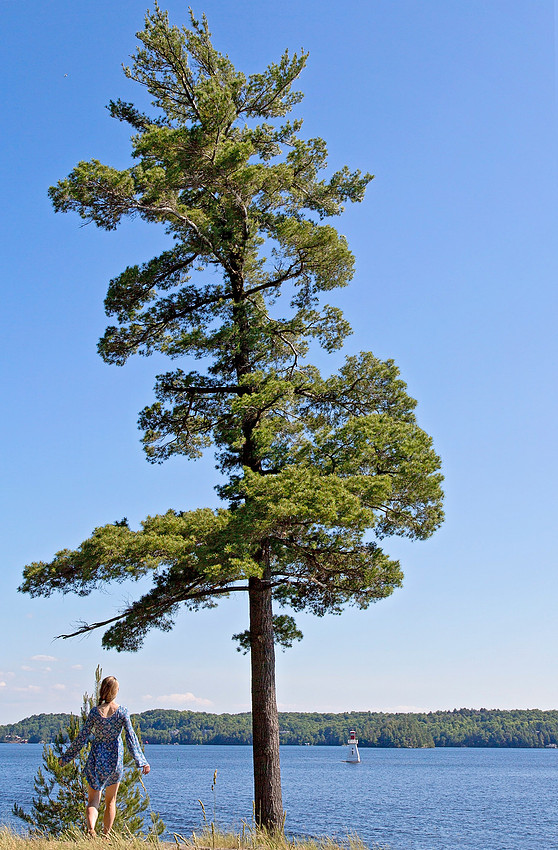
asphalt flowers


There is a place where the sidewalk ends
And before the street begins,
And there the grass grows soft and white,
And there the sun burns crimson bright,
And there the moon-bird rests from his flight
To cool in the peppermint wind.
Let us leave this place where the smoke blows black
And the dark street winds and bends,
Past the pits where the asphalt flowers grow
We shall walk with a walk that is measured and slow,
And watch where the chalk-white arrows go
To the place where the sidewalk ends.
Yes we'll walk with a walk that is measured and slow,
And we'll go where the chalk-white arrows go,
For the children, they mark, and the children, they know
The place where the sidewalk ends.
-Shel Silverstein
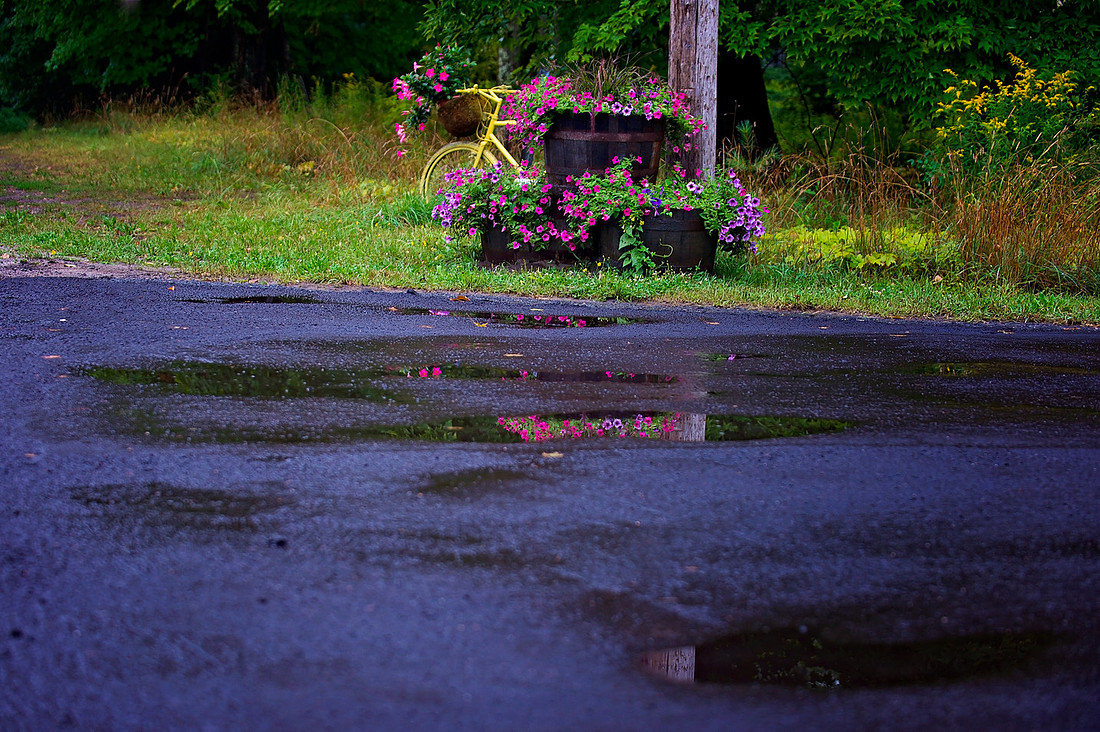
Keeping up appearances

“The all-powerful Zahir seemed to be born with every human being and to gain full strength in childhood, imposing rules that would thereafter always be respected:
People who are different are dangerous; they belong to another tribe; they want our lands and our women.
We must marry, have children, reproduce the species.
Love is only a small thing, enough for one person, and any suggestion that the heart might be larger than this may seem perverse.
When we are married we are authorised to take possession of the other person, body and soul.
We must do jobs we detest because we are part of an organised society, and if everyone did what they wanted to do, the world would come to a standstill.
We must buy jewelry; it identifies us with our tribe.
We must be amusing at all times and sneer at those who express their real feelings; it's dangerous for a tribe to allow its members to show their feelings.
We must at all costs avoid saying no because people prefer those who always say yes, and this allows us to survive in hostile territory.
What other people think is more important than what we feel.
Never make a fuss--it might attract the attention of an enemy tribe.
If you behave differently you will be expelled from the tribe because you could infect others and destroy something that was extremely difficult to organise in the first place.
We must always consider the look of our new cave, and if we don't have a clear idea of our own, then we must call a decorator who will do his best to show others what good taste we have.
We must eat three meals a day, even if we're not hungry, and when we fail to fit the current ideal of beauty we must fast, even if we're starving.
We must dress according to the dictates of fashion, make love whether we feel like it or not, kill in the name of our country, wish time away so that retirement comes more quickly, elect politicians, complain about the cost of living, change our hair-style, criticise anyone who is different, go to a religious service on Sunday, Saturday or Friday, depending on our religion, and there beg forgiveness for our sins and puff ourselves up with pride because we know the truth and despise he other tribe, who worship false gods.
Our children must follow in our footsteps; after all we are older and know more about the world.
We must have a university degree even if we never get a job in the area of knowledge we were forced to study.
We must never make our parents sad, even if this means giving up everything that makes us happy.
We must play music quietly, talk quietly, weep in private, because I am the all-powerful Zahir, who lays down the rules and determines the meaning of success, the best way to love, the importance of rewards.”
-Paulo Coelho, The Zahir



Raindrops
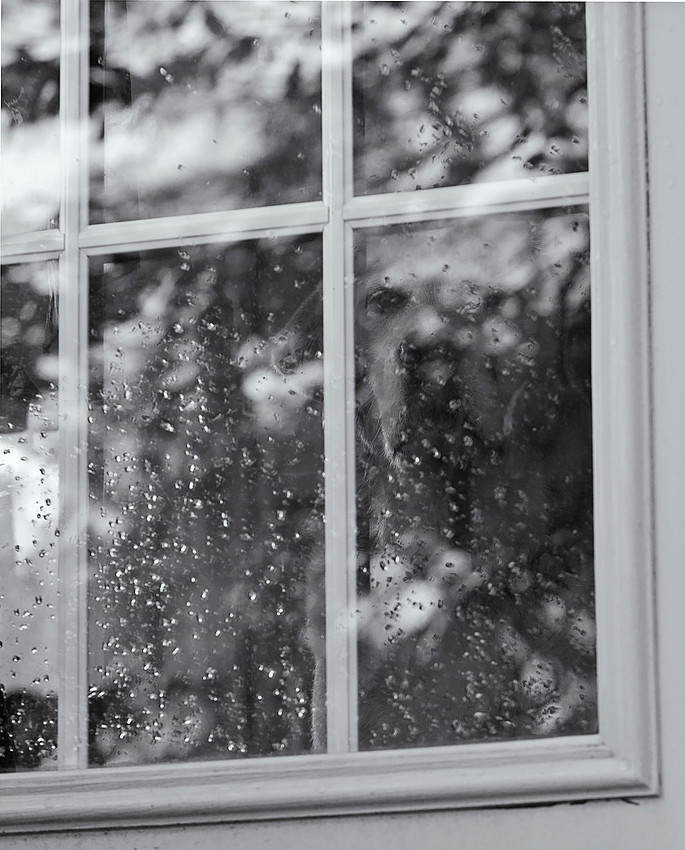
Around us, life bursts with miracles--a glass of water, a ray of sunshine, a leaf, a caterpillar, a flower, laughter, raindrops. If you live in awareness, it is easy to see miracles everywhere. Each human being is a multiplicity of miracles. Eyes that see thousands of colours, shapes, and forms; ears that hear a bee flying or a thunderclap; a brain that ponders a speck of dust as easily as the entire cosmos; a heart that beats in rhythm with the heartbeat of all beings. When we are tired and feel discouraged by life's daily struggles, we may not notice these miracles, but they are always there.
― Thich Nhat Hanh

Succour
It's been a very warm, dry summer; the second-driest Ontario has seen since 1937. Saturday morning, Toronto's temperature was higher than Mumbai's.
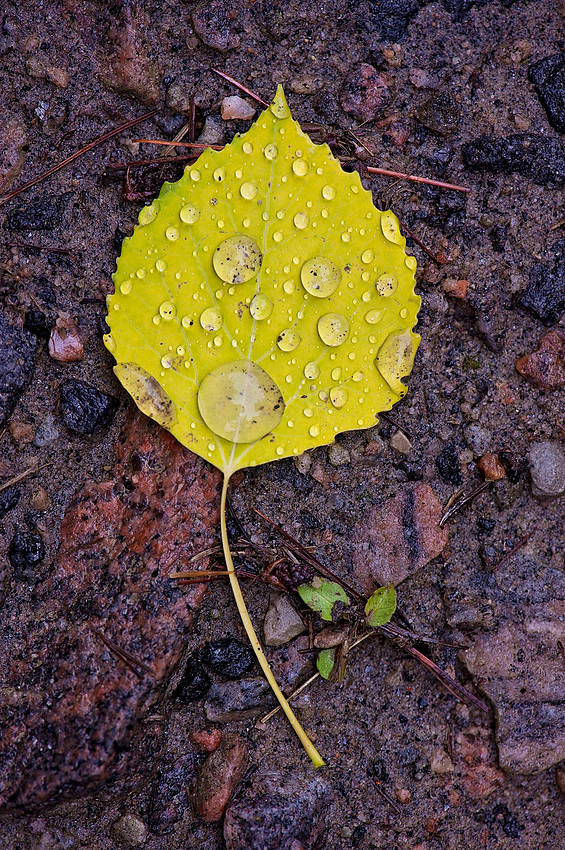
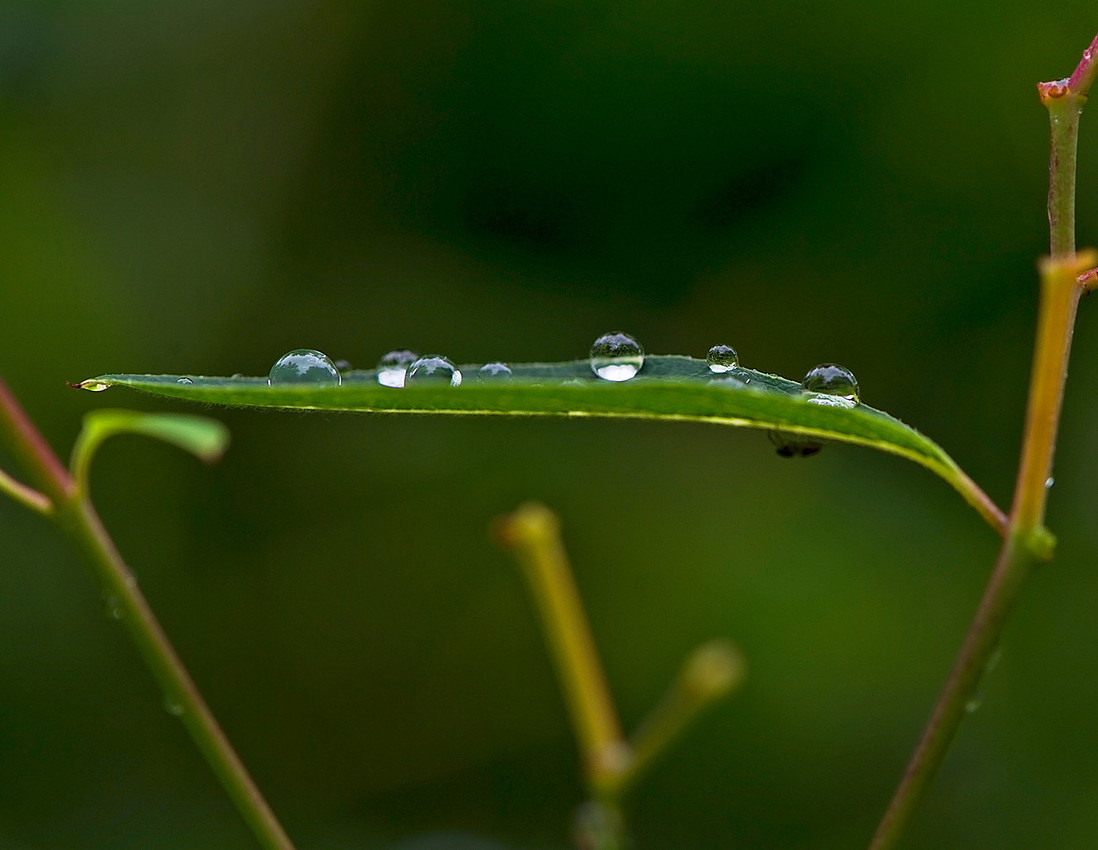
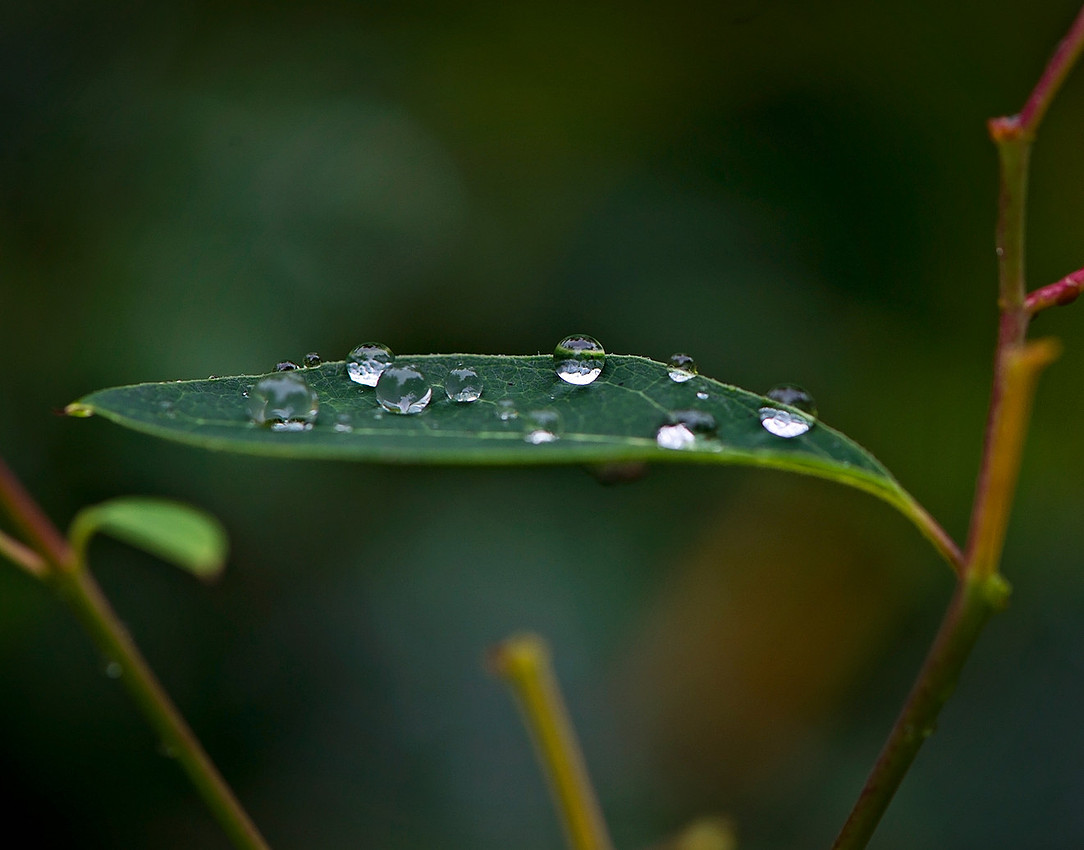
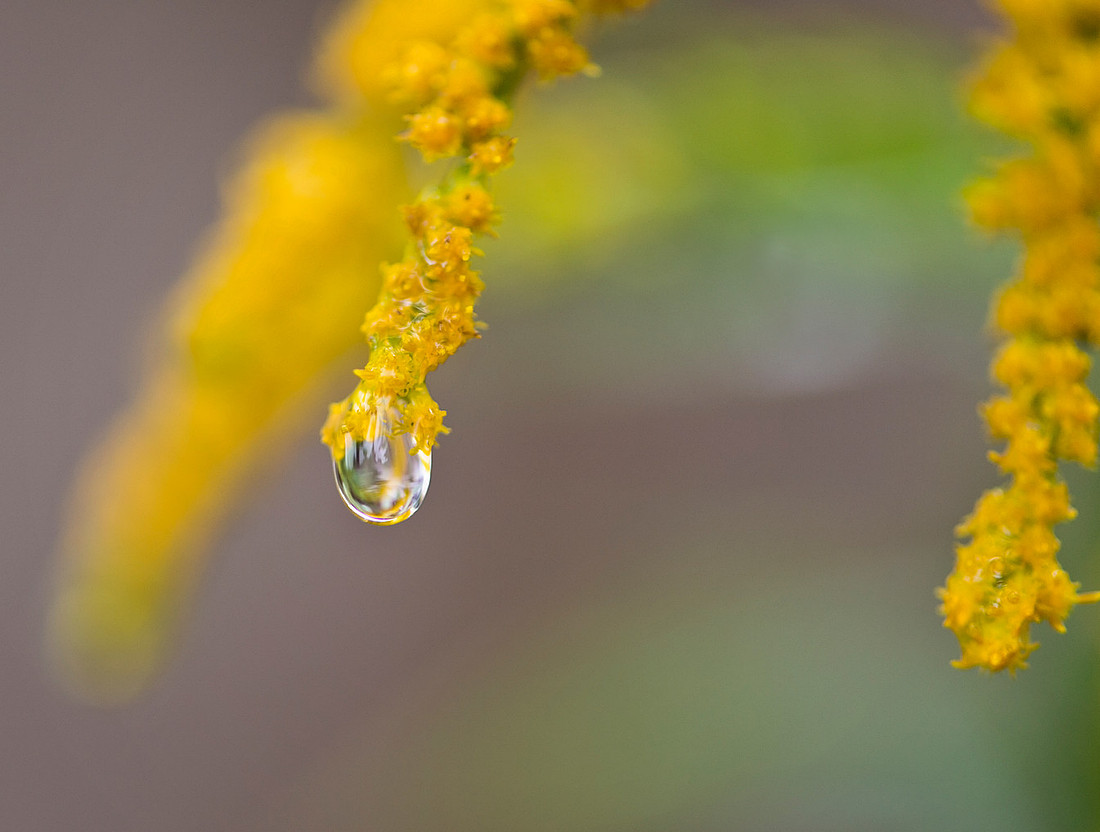
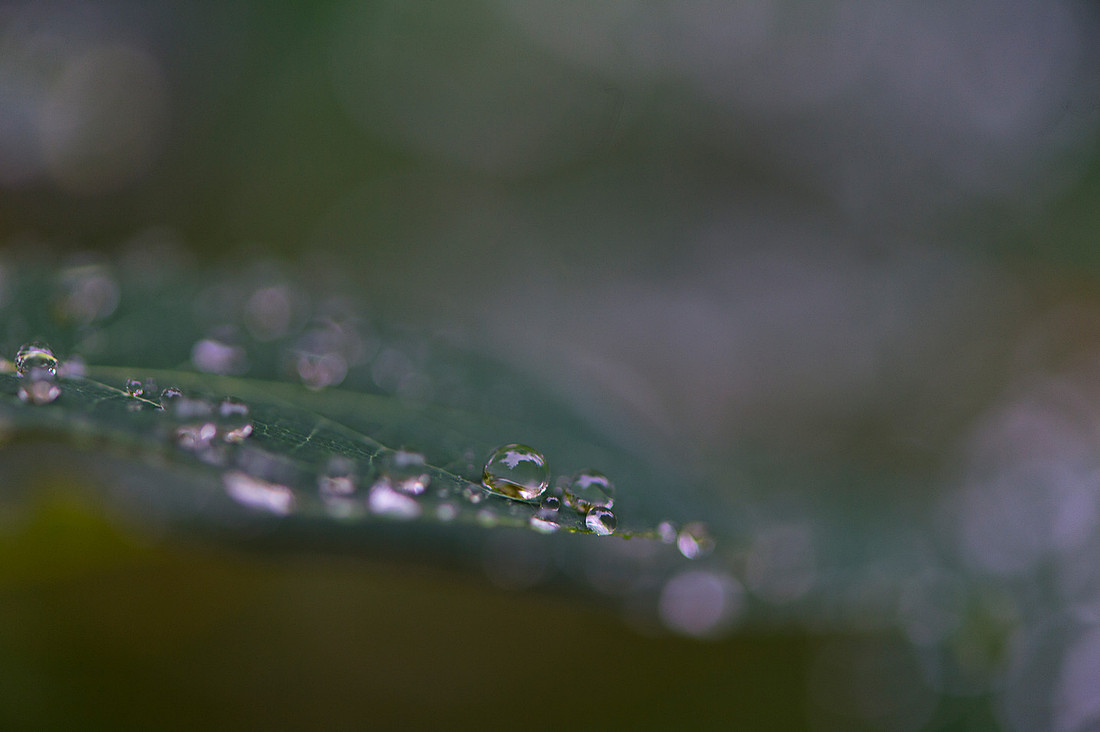
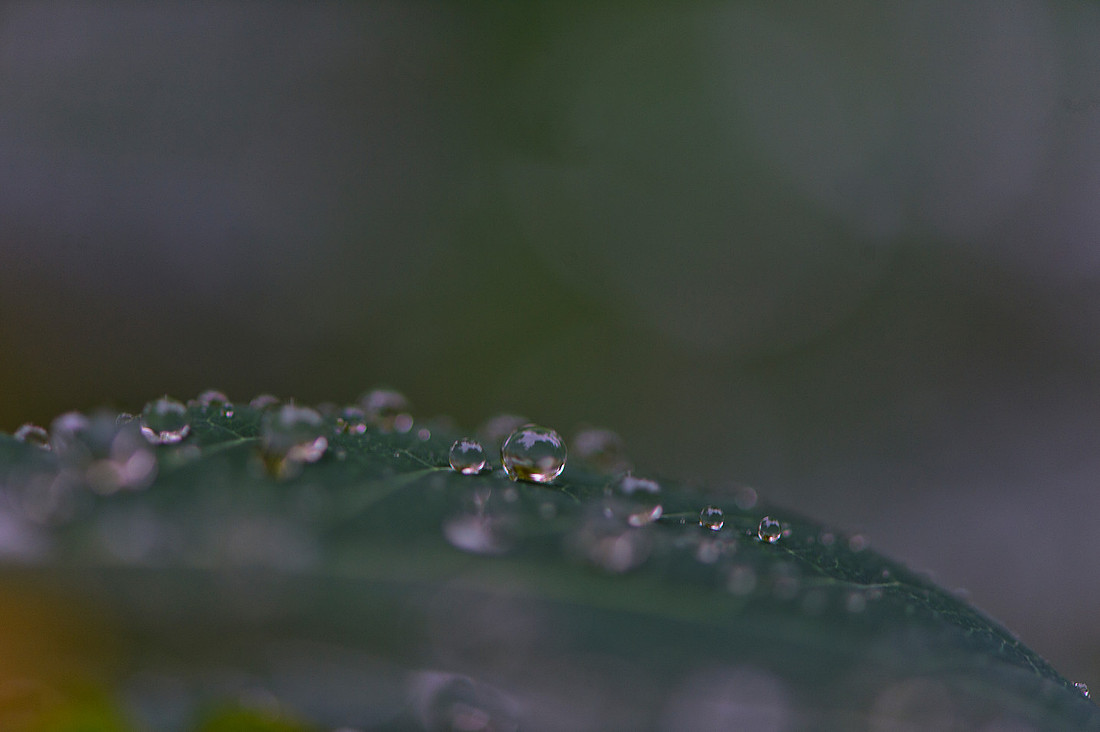
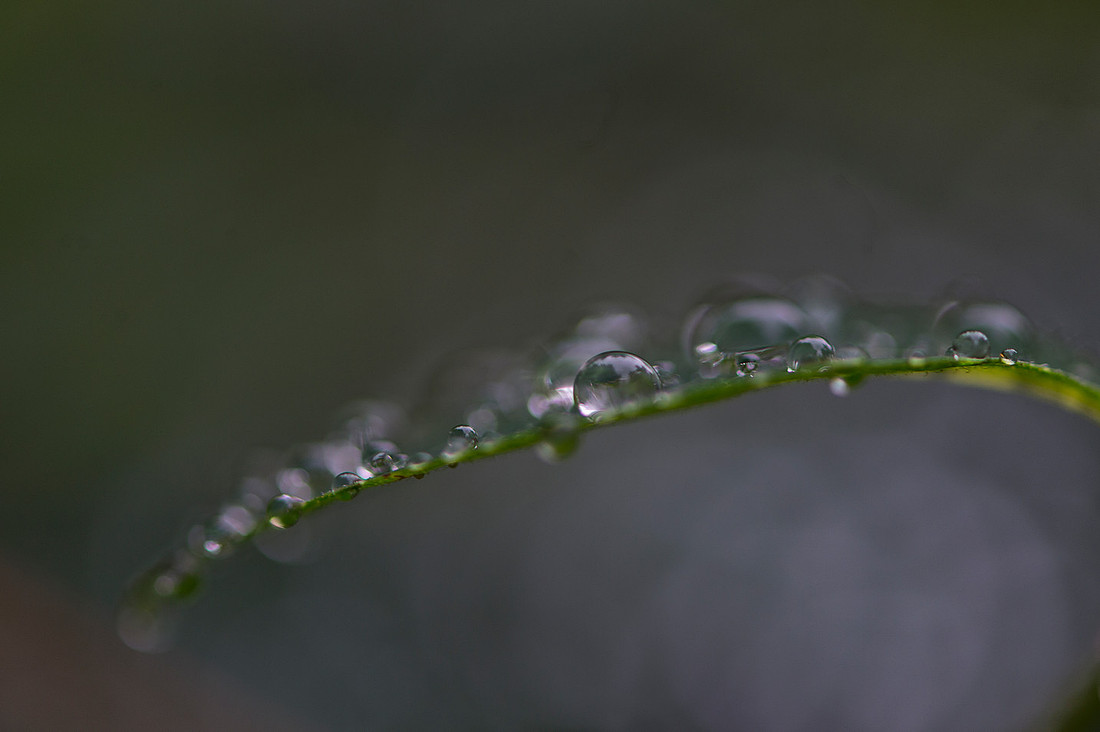
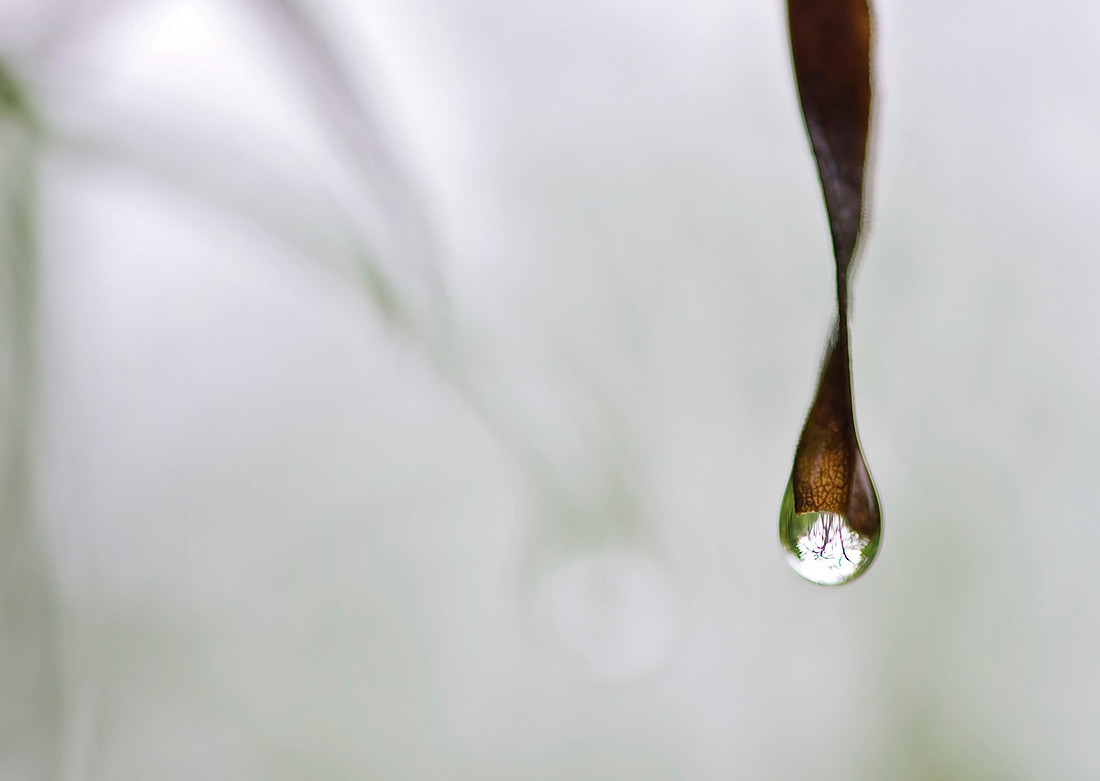
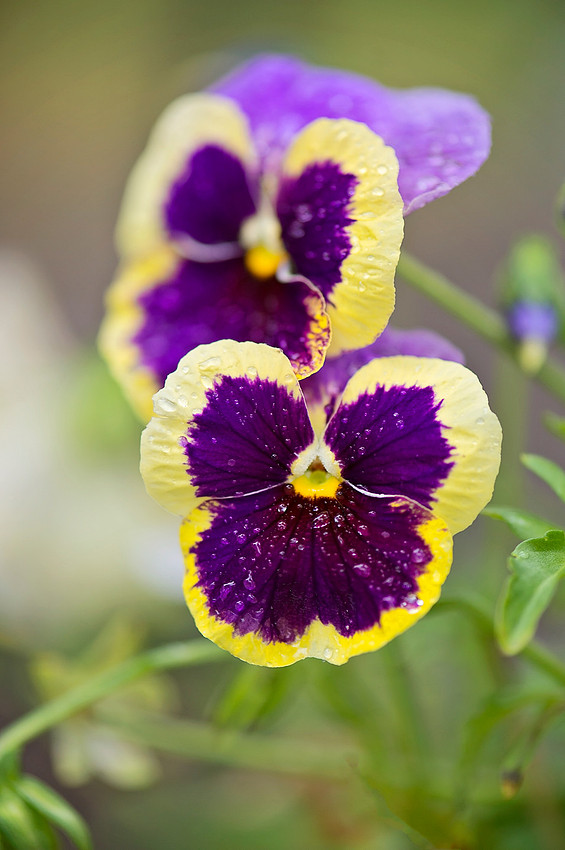
This weekend, however, in this region at least, we had some heavy, sustained rain, and it was like the landscape woke up from a refreshing sleep.
Damage done, though: more than a few trees have already taken on their autumn colours and dropped their leaves, because they are under so much stress from the drought.
I saw two bears this past week; they will be looking for food as well, since all of the wild berries have dried up.
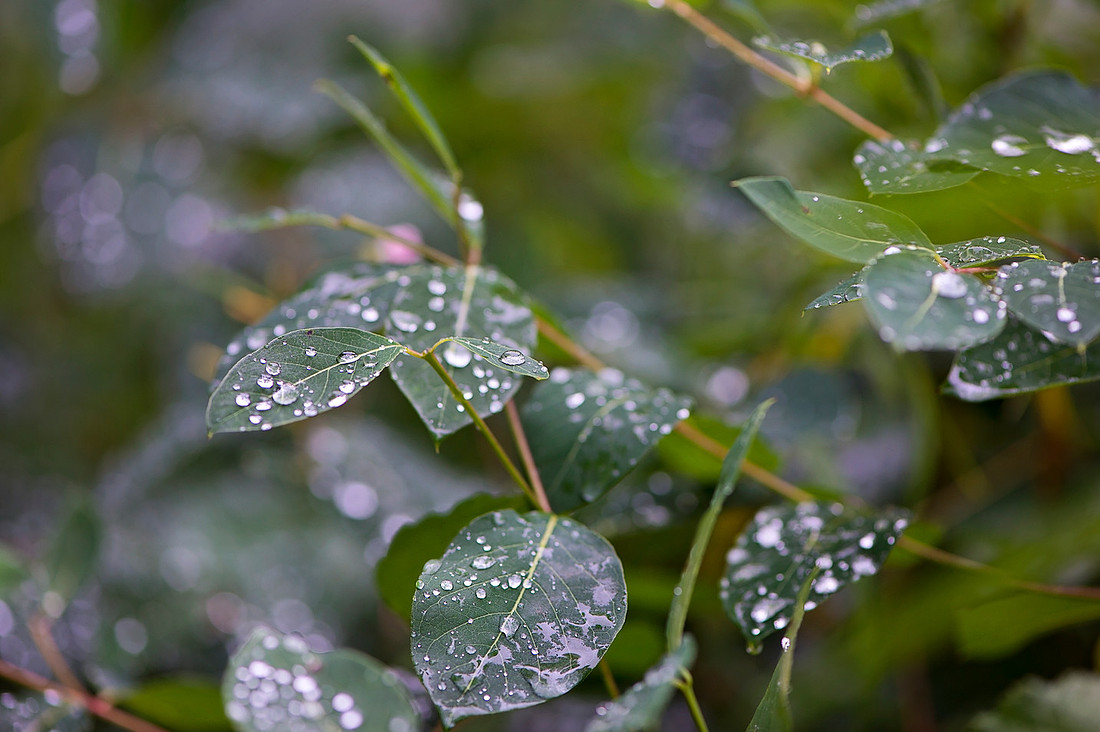


Sentinel
Coming home
When we're driving, in the dark,
on the long road
to Provincetown, which lies empty
for miles, when we're weary,
when the buildings
and the scrub pines lose
their familiar look,
I imagine us rising
from the speeding car,
I imagine us seeing
everything from another place -- the top
of one of the pale dunes
or the deep and nameless fields of the sea --
and what we see is the world
that cannot cherish us
but which we cherish,
and what we see is our life
moving like that,
along the dark edges
of everything -- the headlights
like lanterns
sweeping the blackness --
believing in a thousand
fragile and unprovable things,
looking out for sorrow,
slowing down for happiness,
making all the right turns
right down to the thumping
barriers to the sea,
the swirling waves,
the narrow streets, the houses,
the past, the future,
the doorway that belongs
to you and me.
-mary oliver