Soleil and Arwen's excellent adventure - day 2
The Enchanted Island
Saturday morning, we switched from one hotel to the other. Since checkout was 11am and check-in was 3pm, we had several hours to kill. I wasn't keen on traipsing round on foot for that amount of time, with 2 dogs in tow on a hot day, on the eve of a marathon run, so after I went and collected my race kit at the expo, we decided to take the car and head over to the Île d'Orléans for a drive around the island.
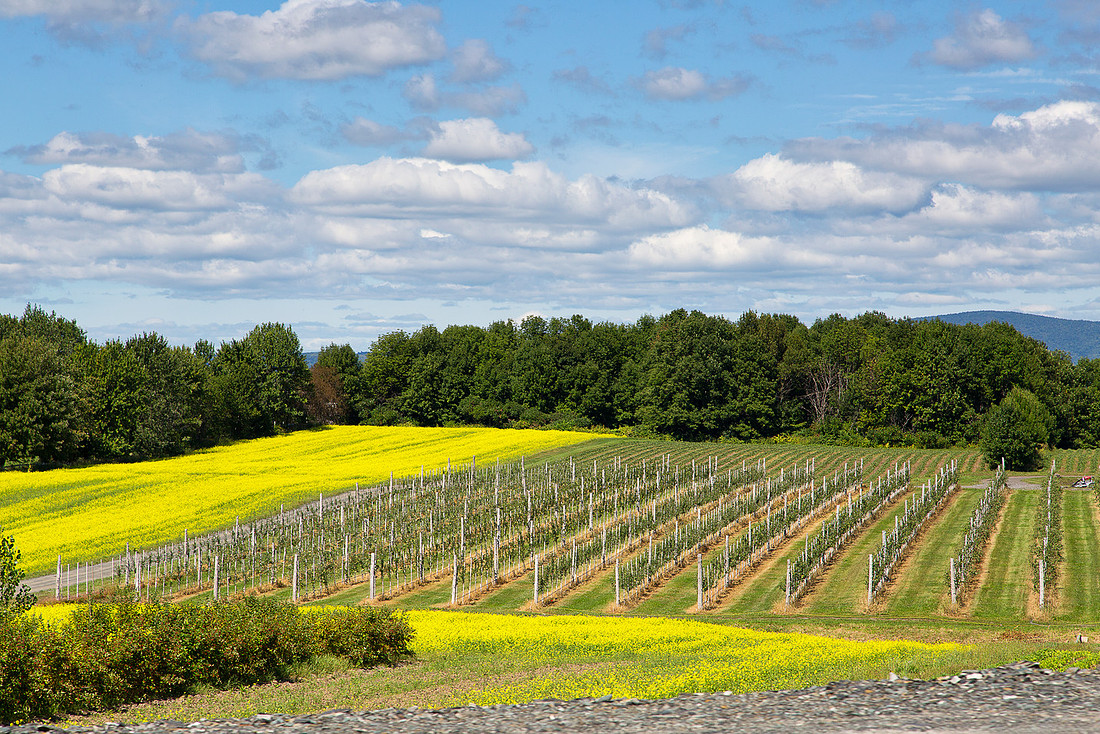
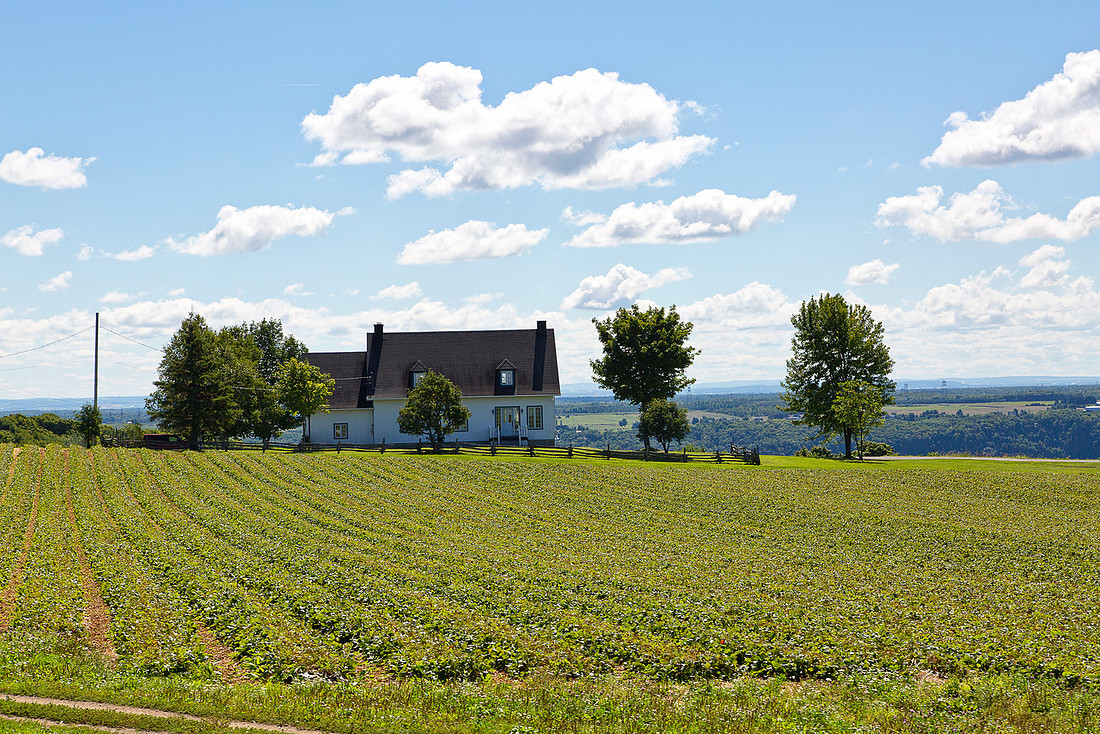
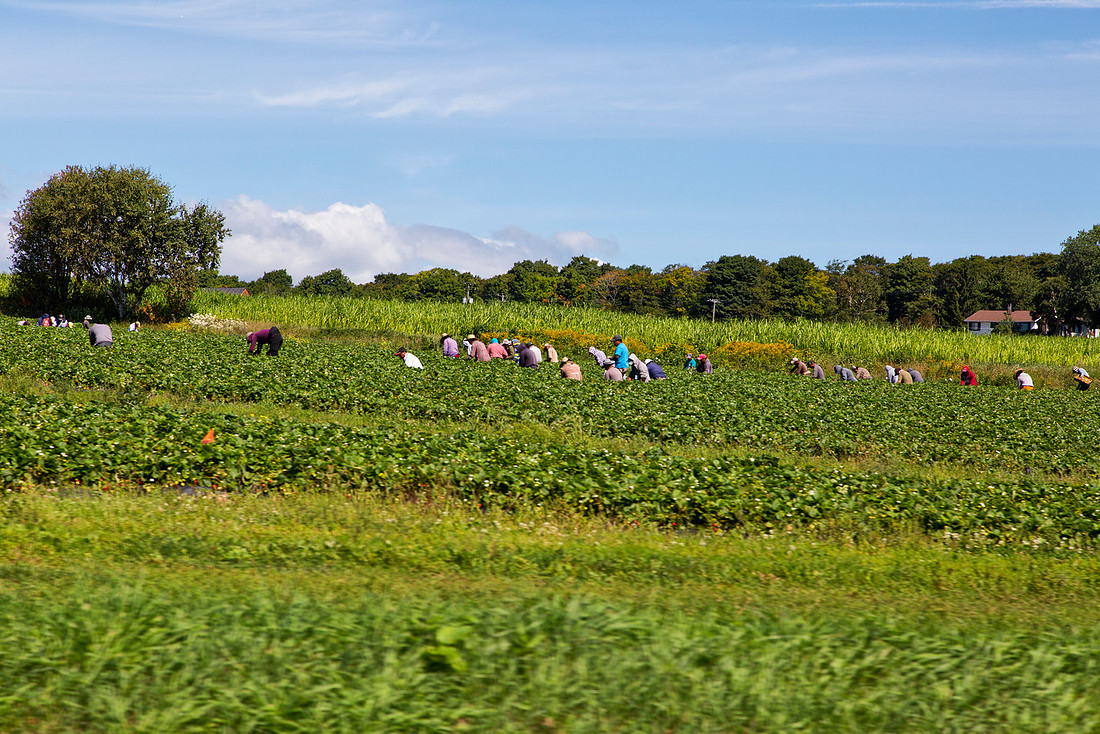
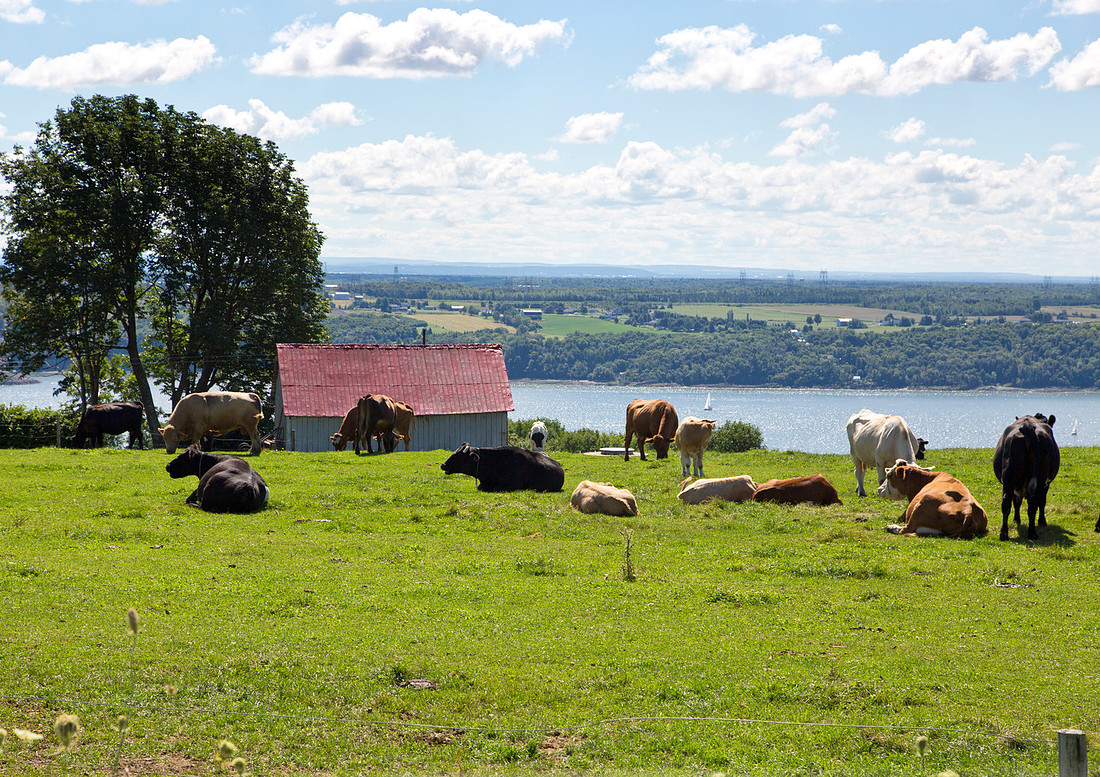
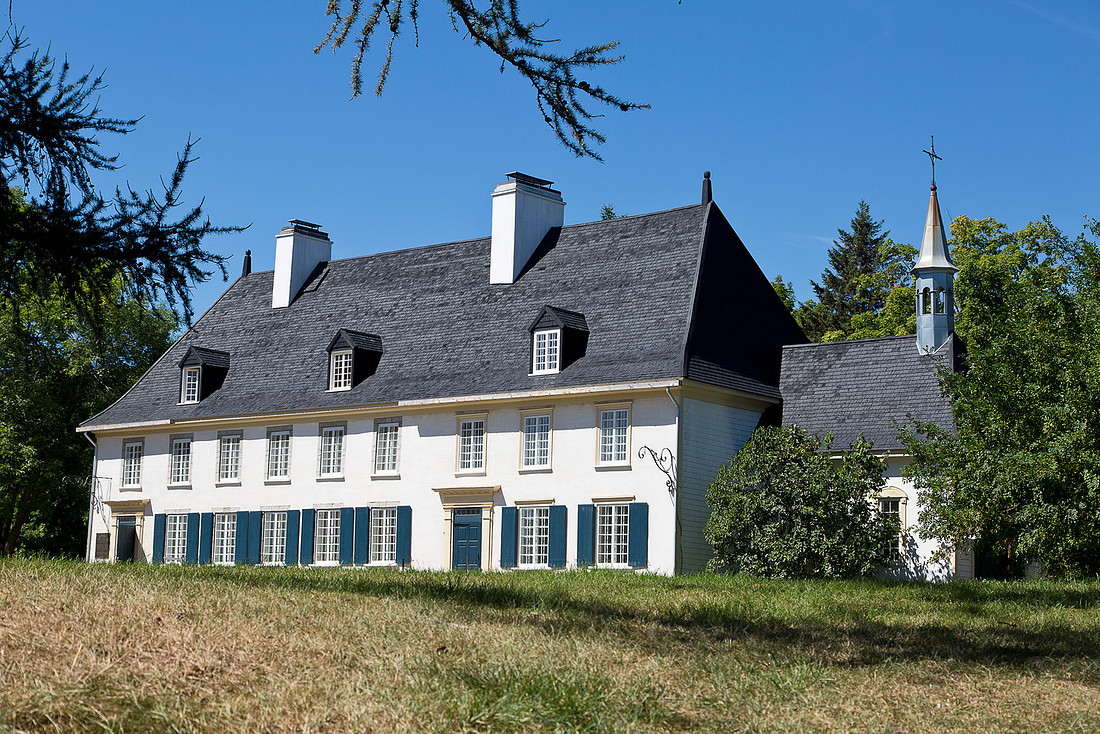
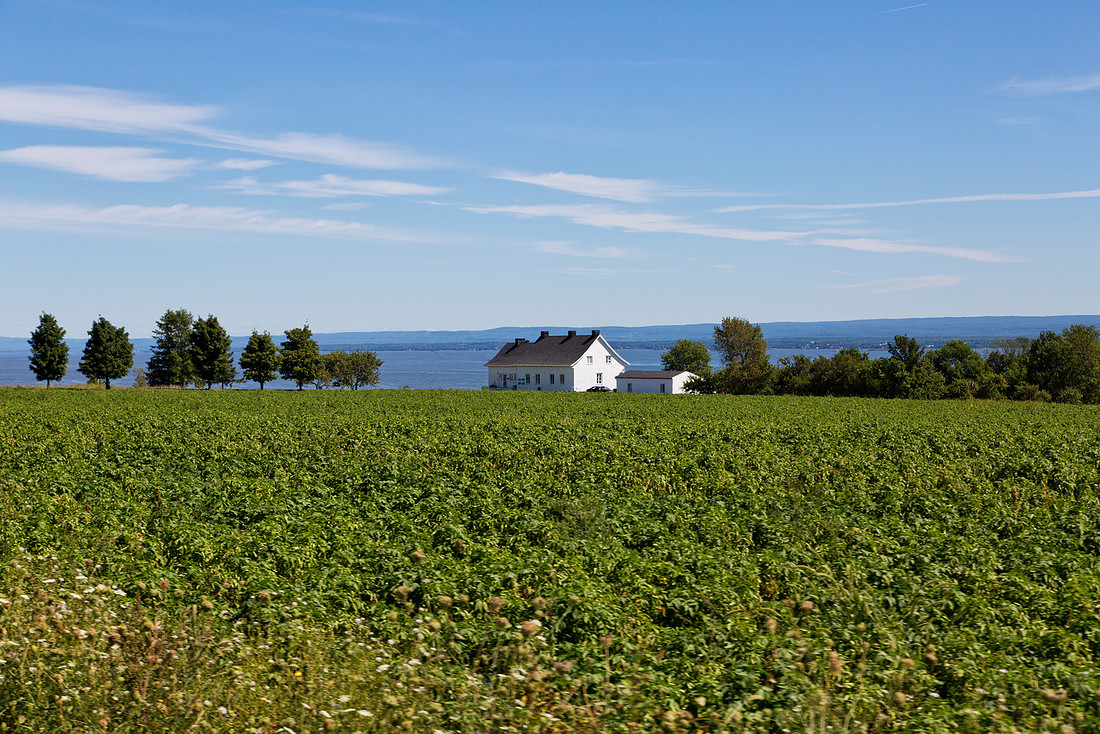
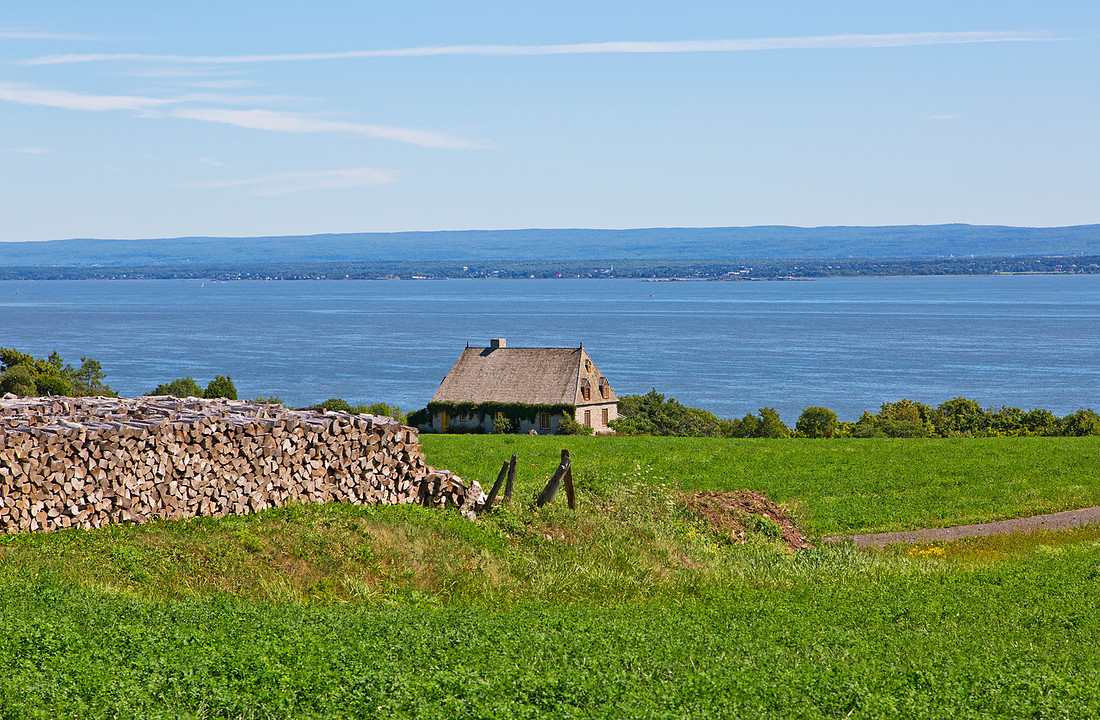
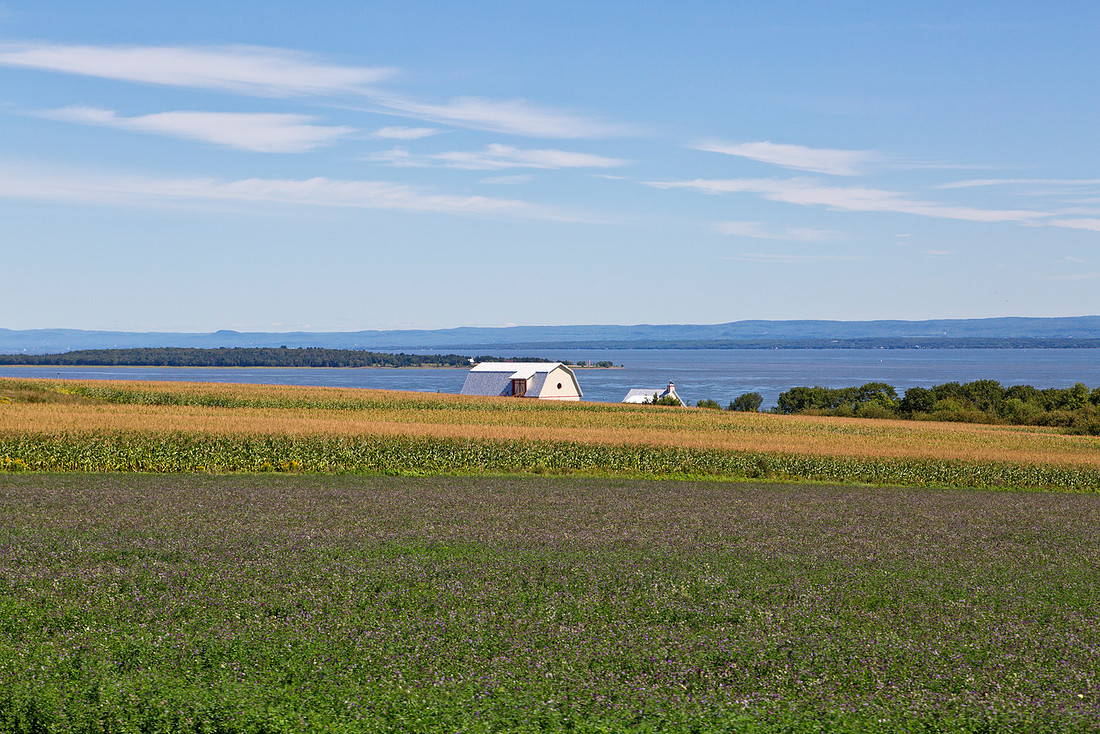
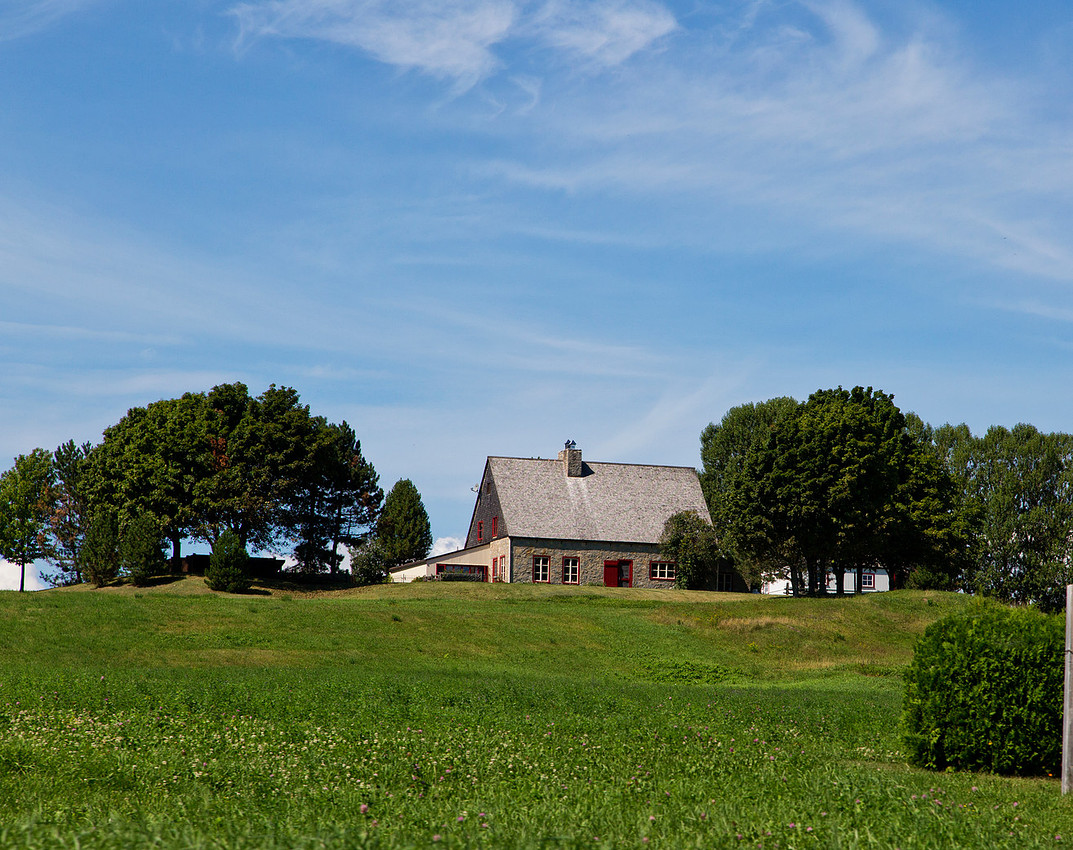
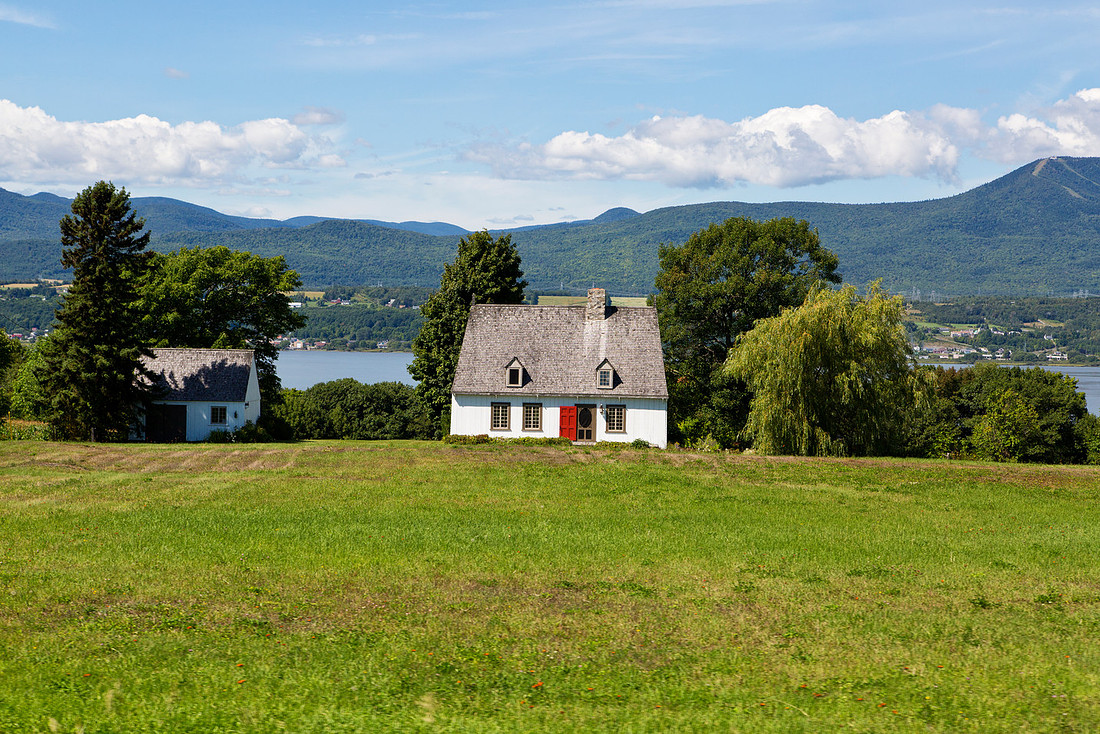
Île d'Orléans sits in the middle of the St Lawrence River, just a few kilometres east of Quebec City. It's 34km long and 8km wide, and it's known as the ''Garden of Québec'' because it is covered in farms, vineyards and fruit orchards. It's also incredibly picturesque, with rolling hills, distinctive architecture, and water views at every turn.
Île d'Orléans also has an important place in folk tales of the region: it was thought to be inhabited by witches (sorcières): in the early days of the colony, the people of Quebec City would anxiously await the arrival of few-and-far-between supply and troop boats from France. The habitants of Île d'Orléans were navigators, and often ranged long distances in their fishing. In consequence, the colonists often turned to them for prognostications on when ships would arrive. Sometimes their guesses were accurate, and so they came to be regarded as clairvoyants.
Also, in the old days, there was an abundant eel fishery in the waters around the island, and the tides dictated the best fishing times. When all of the fishermen were out at their docks at night, holding torches to light their way, the people of Quebec City would look up the river and see feux follets - dancing lights, like fireflies, all over the island, and thus the will-o'-the-wisp legend was born.
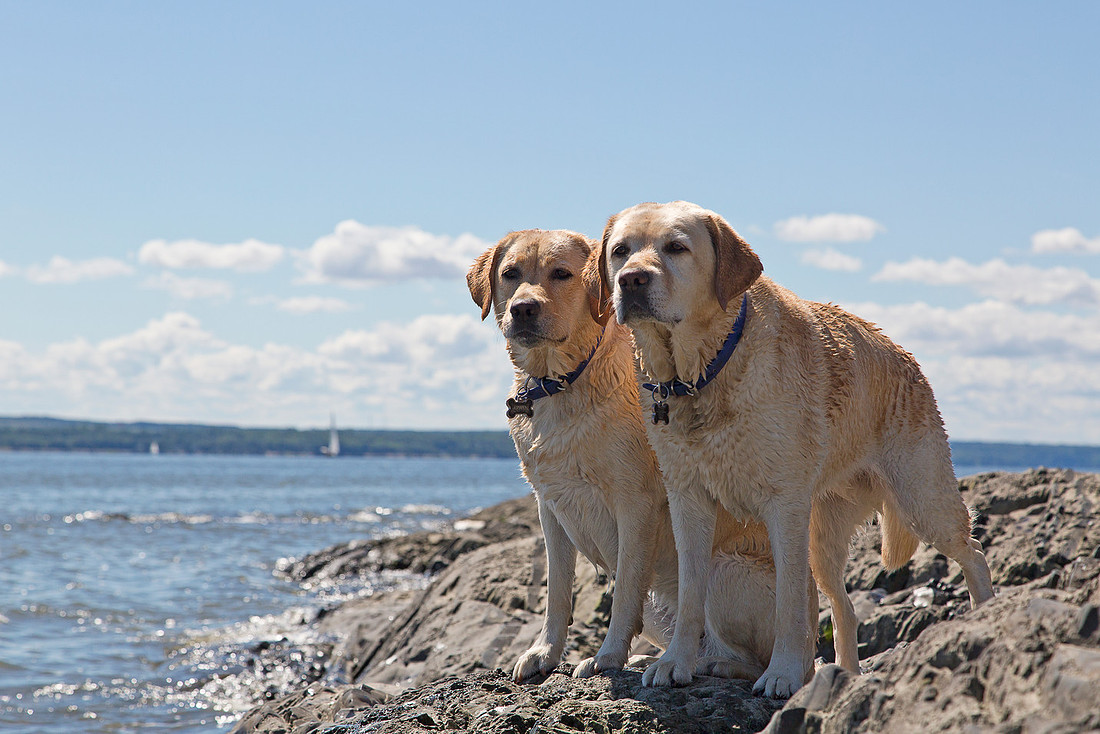
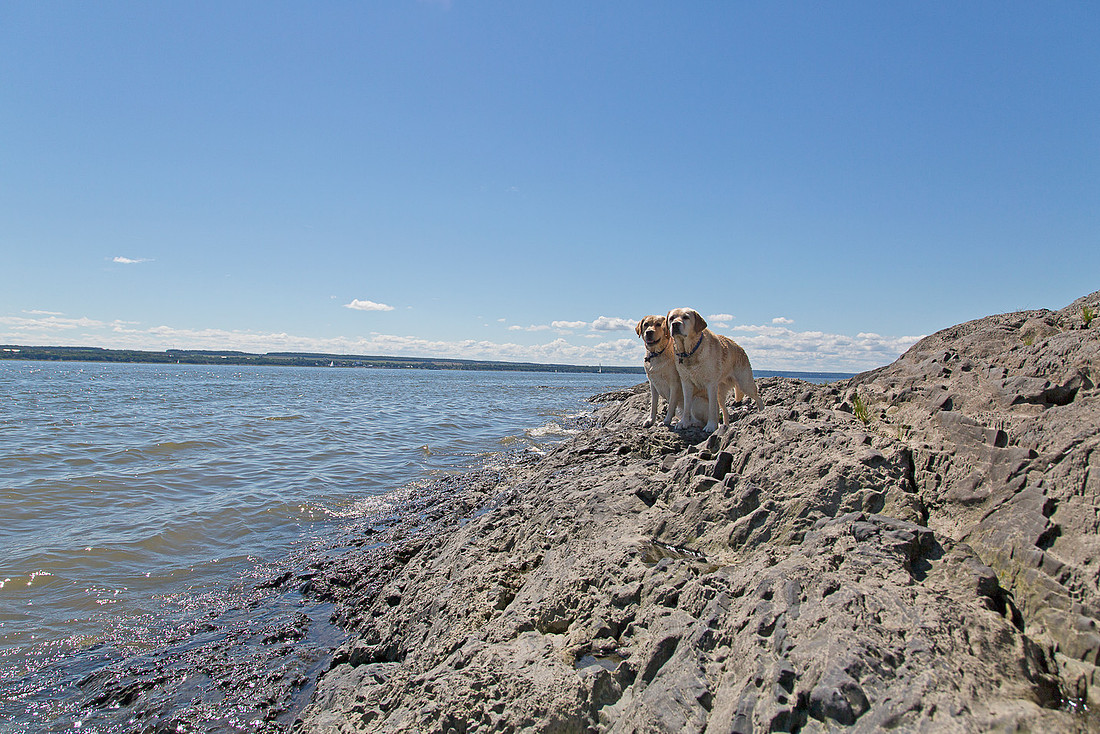
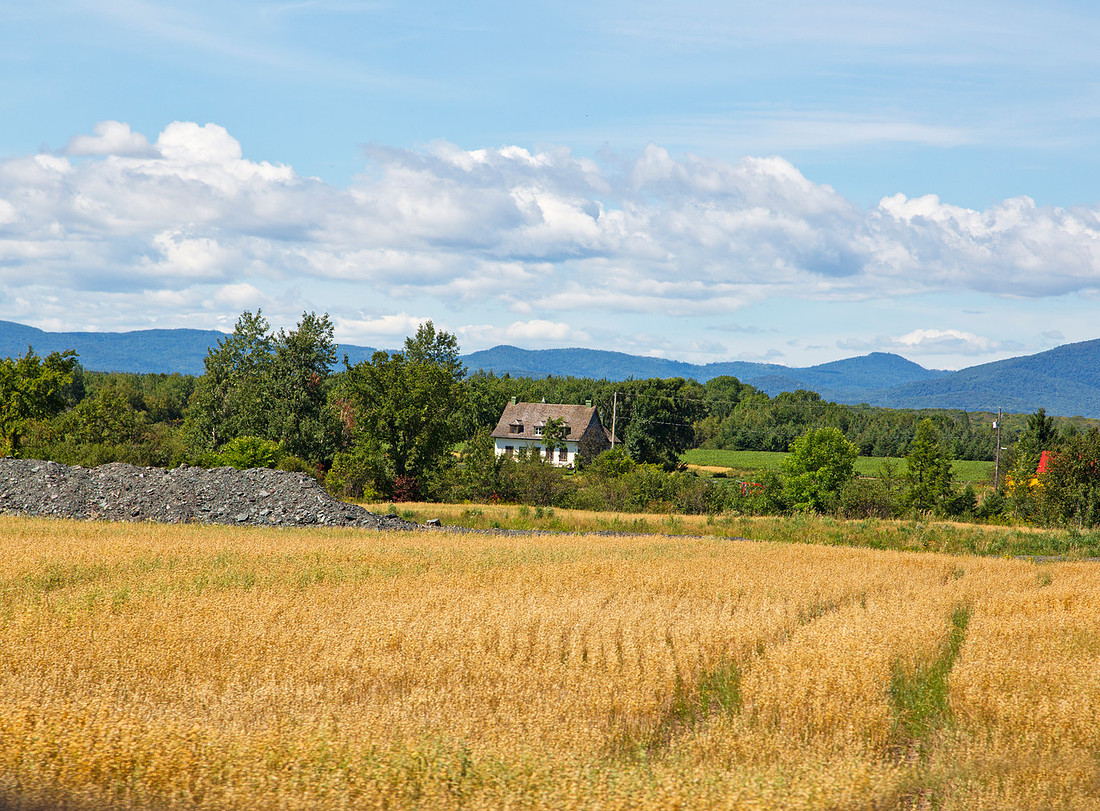
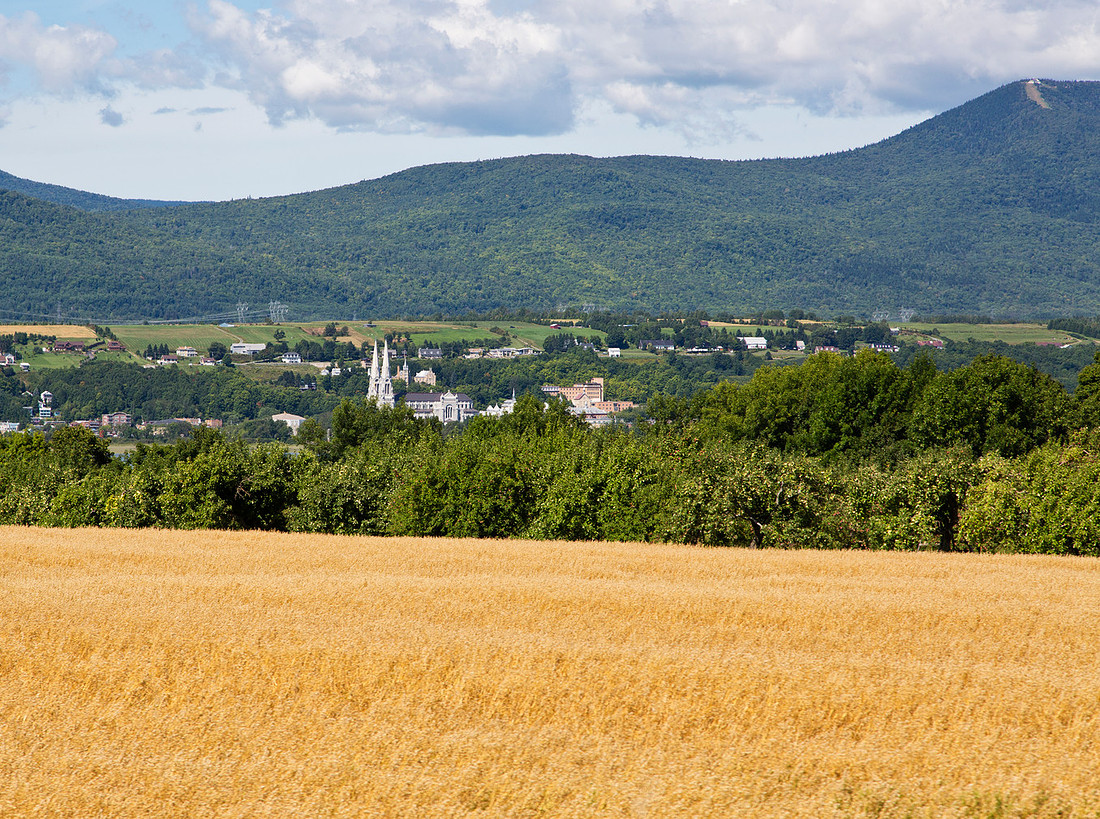
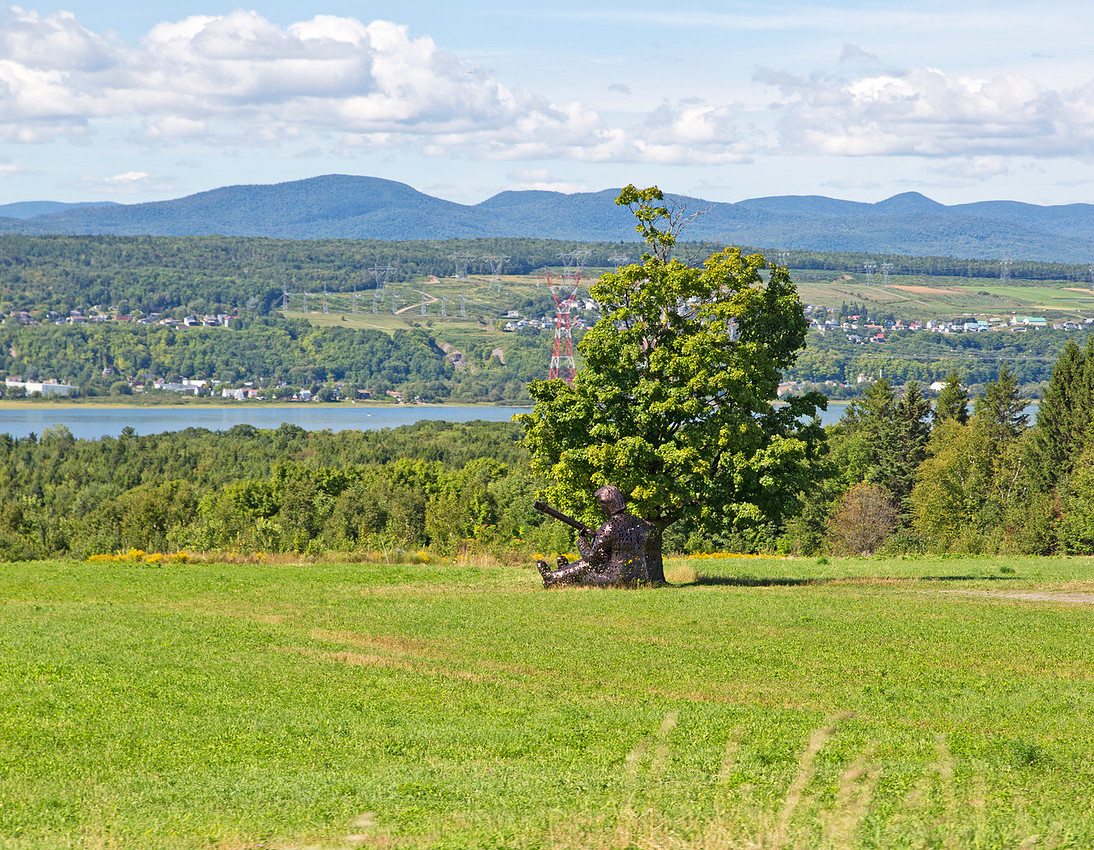
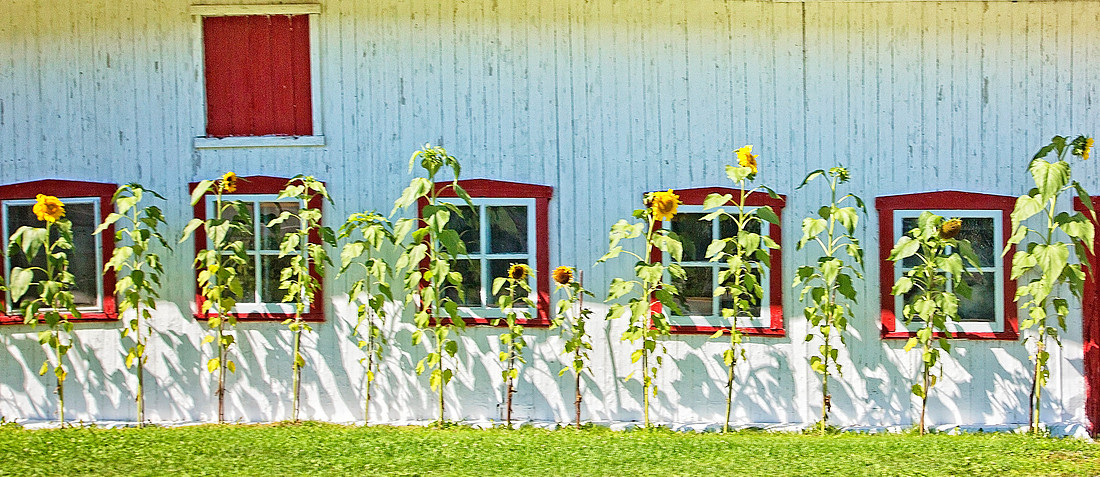
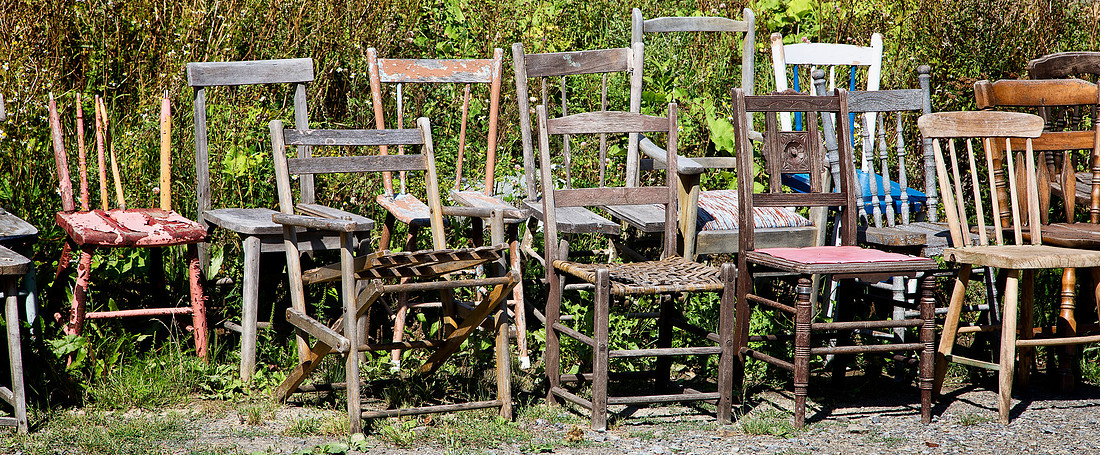
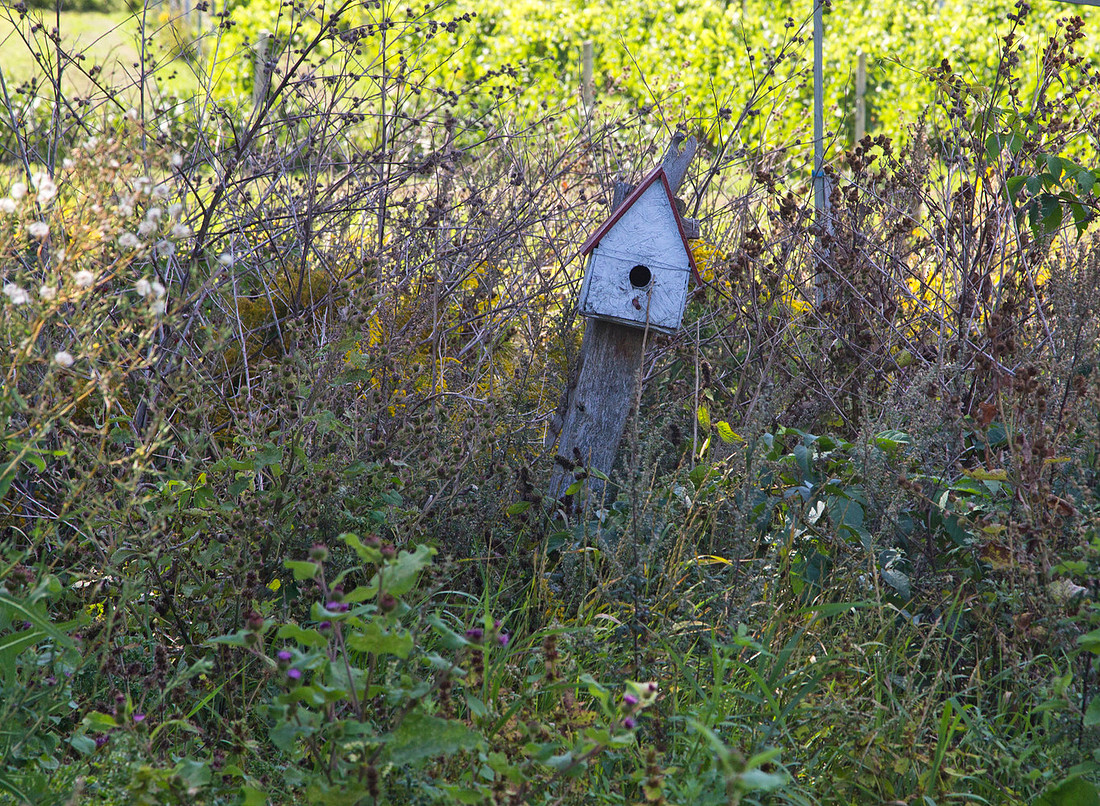
Here, then, are a set of photos from our sunshiny tour of the island, including (naturally) a detour to the St Lawrence for a swim for the dogs. The distant mountains in some of the later pictures are the Laurentians; some of Mont Ste-Anne's ski runs are also visible. The large church nestled at the bottom of the mountains is Sainte-Anne-de-Beaupré.