me and my shadow
If the sun stopped shinin' you'd be so surprised
You'd stare at the heavens with wide open eyes
And the wind would carry your light to the skies
And the sun would start shinin' again
(Daddy what if the wind stopped blowin' what would happen then?)
If the wind stopped blowin' then the land would be dry
And your boat wouldn't sail son and your kite wouldn't fly
And the grass would see your troubles and she'd tell the wind
And the wind would start blowin' again
(But daddy what if the grass stopped growin' what would happen then?)
If the grass stopped growin' why you'd probably cry
And the ground would be watered by the tears from your eyes
And like your love for me the grass would grow so high
Yes the grass would start growin' again
(But daddy what if I stopped lovin' you what would happen then?)
If you stopped lovin' me then the grass would stop growin'
The sun would stop shinin' and the wind would stop blowin'
So you see if you wanna keep this old world a goin'
You better start lovin' me again again you better start lovin' me again
You hear me Bobby you better start lovin' me again
You love me Bobby you better start lovin' me again


clairière
Clairière
n. fr = clearing, glade.

Tunnel into the forest
Tracing a path
Broken and defined by generations of feet.
Sinuous line of history and memory,
Skirting trees and rocks,
Tracing ravine edges,
Following the landscape
with random purpose,
Becoming part of it,
Changing, deviating with the seasons.
Overhead, the wind plays with the treetops
Its chatter ceasing occasionally
To give voice to a chorus of soft notes
Sung by an unseen river
in the valley below.
Sunlight arrows
Cascade into the dark stillness,
Silvery, laughing darts of light,
Punctuating the sober sylvan tones.
Ahead, the meadow beckons gold
As the trail veers to the irresistible temptation
Of the open landscape
Briefly
Before the forest beckons it back.

pied-de-vent
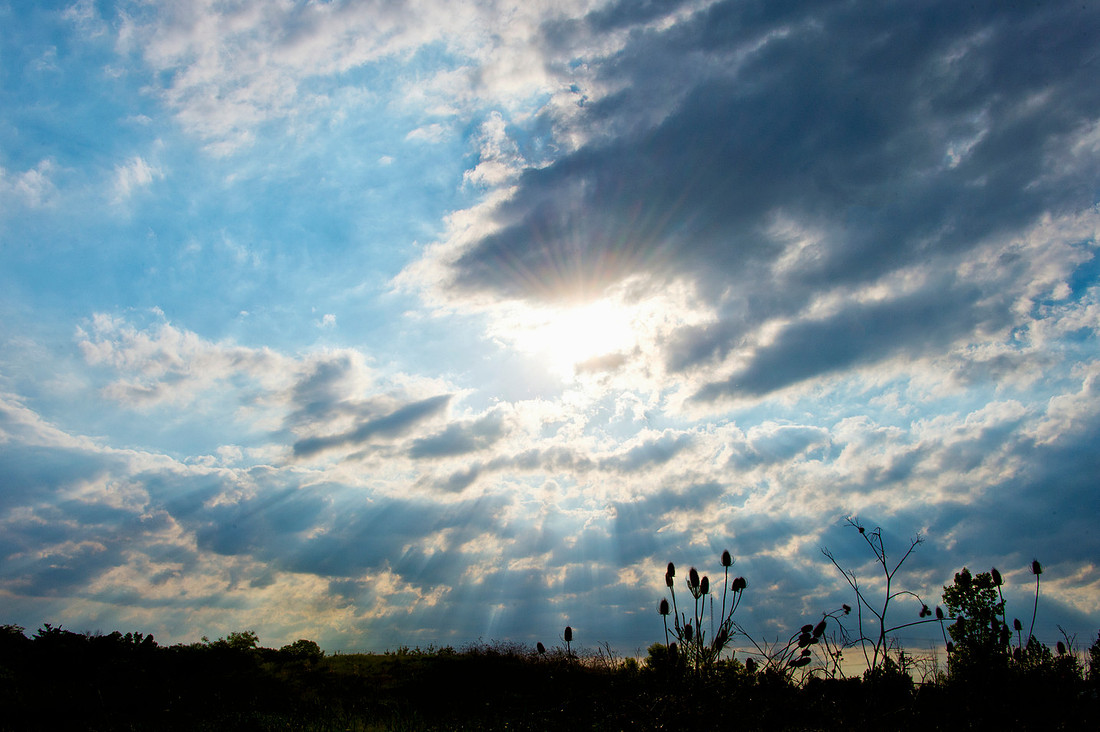
It's rare when language is equally lyrical as the visual poetry that this world provides, but very occasionally there is an equivalent eloquence in how we write or express what we see. The French-speaking people of Eastern Canada use the expression pied-de-vent to describe the phenomenon of rays of sunlight streaming down from the bottoms of clouds that more or less obscure the actual source of light. Literally translated, it means ''feet of the wind'' - nonsensical, perhaps, but so picturesque and so perfect a descriptor of this ephemeral phenomenon. I've tried to capture it here through camera and lens, but the image doesn't do justice to what it looked like in real life, before it was gone as quickly as it appeared.
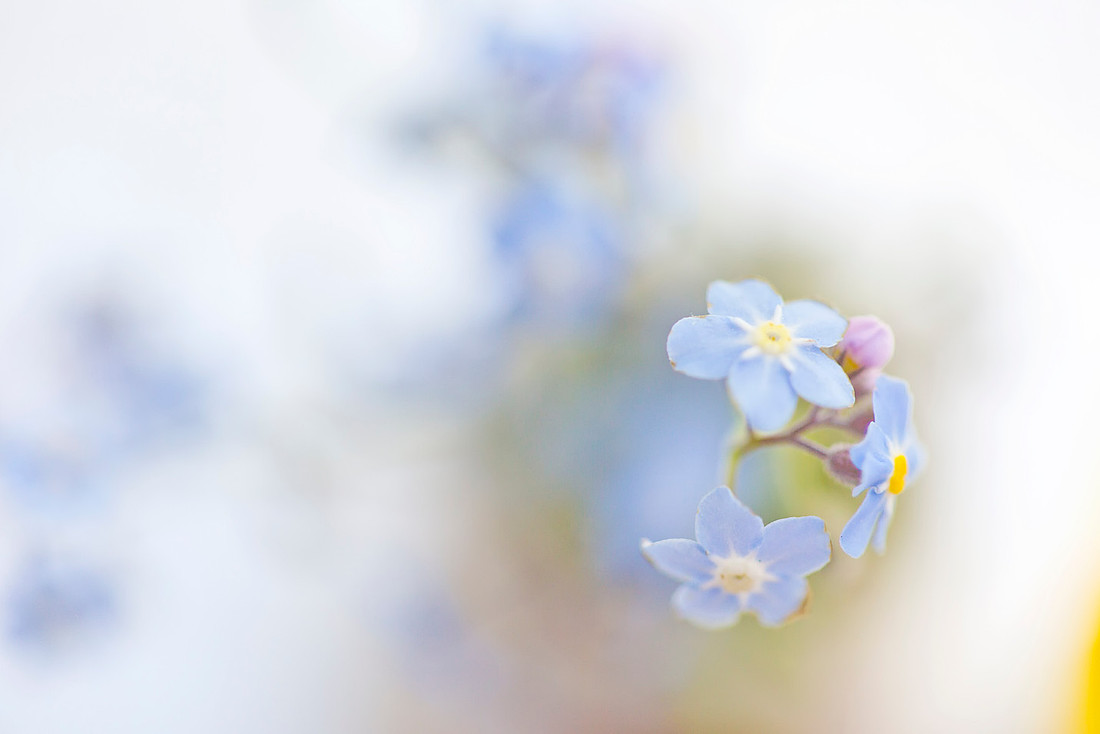
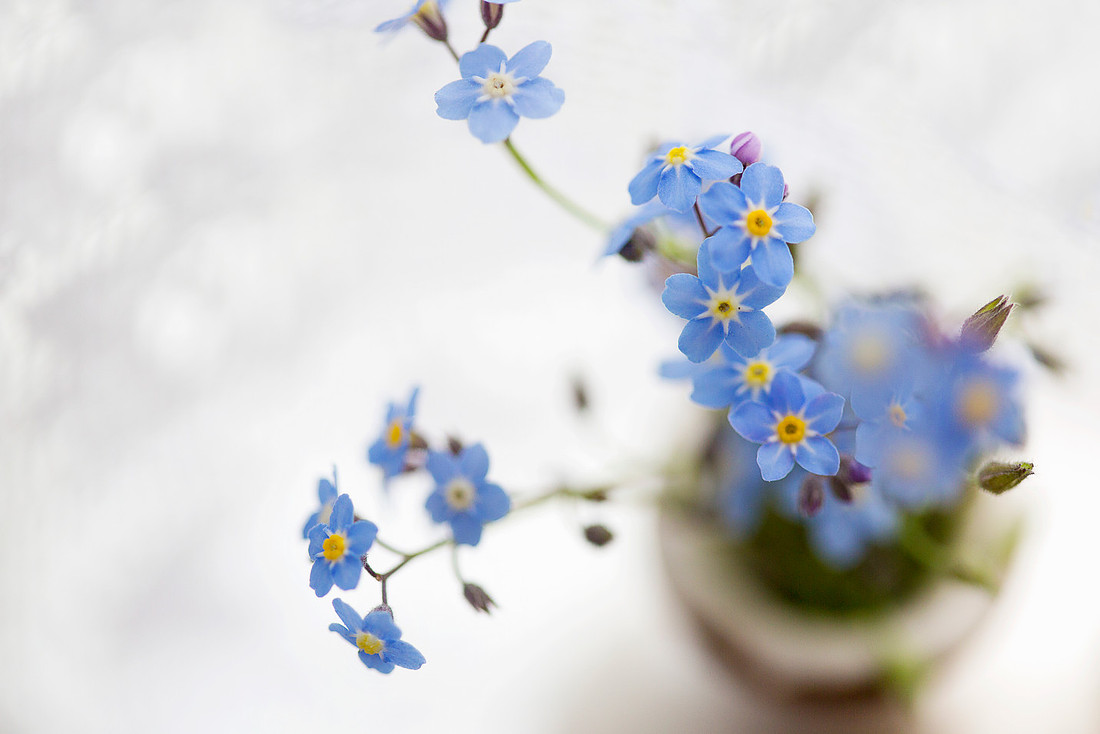
forget-me-not
“Some people, they can't just move on, you know, mourn and cry and be done with it. Or at least seem to be. But for me... I don't know. I didn't want to fix it, to forget. It wasn't something that was broken. It's just...something that happened. And like that hole, I'm just finding ways, every day, of working around it. Respecting and remembering and getting on at the same time. ”
-Sarah Dessen

Negative space
The other day, I was in line at the drugstore, and I am sure that everyone can relate to the scenario of getting stuck behind the scratch-and-win-ticket-picker. To add to the frustration, the lady behind me kept sidling up as close as she could to me, violating that invisible barrier known as personal space.
Having spent quite a lot of time in France and Europe, I've observed that the concept and size of ''personal space'' varies substantially from culture to culture, and the North American and European versions are radically different. We North Americans skew towards a generously wide circle. And most people respect that. Get on a train in Europe, and you learn very quickly that having a couple of square centimetres in which to breathe is considered ample.
I think my own definition of personal space is even wider than most - physically, emotionally, professionally I prefer to hold people at a comfortable arm's length. And any incursion therein immediately raises my hackles.
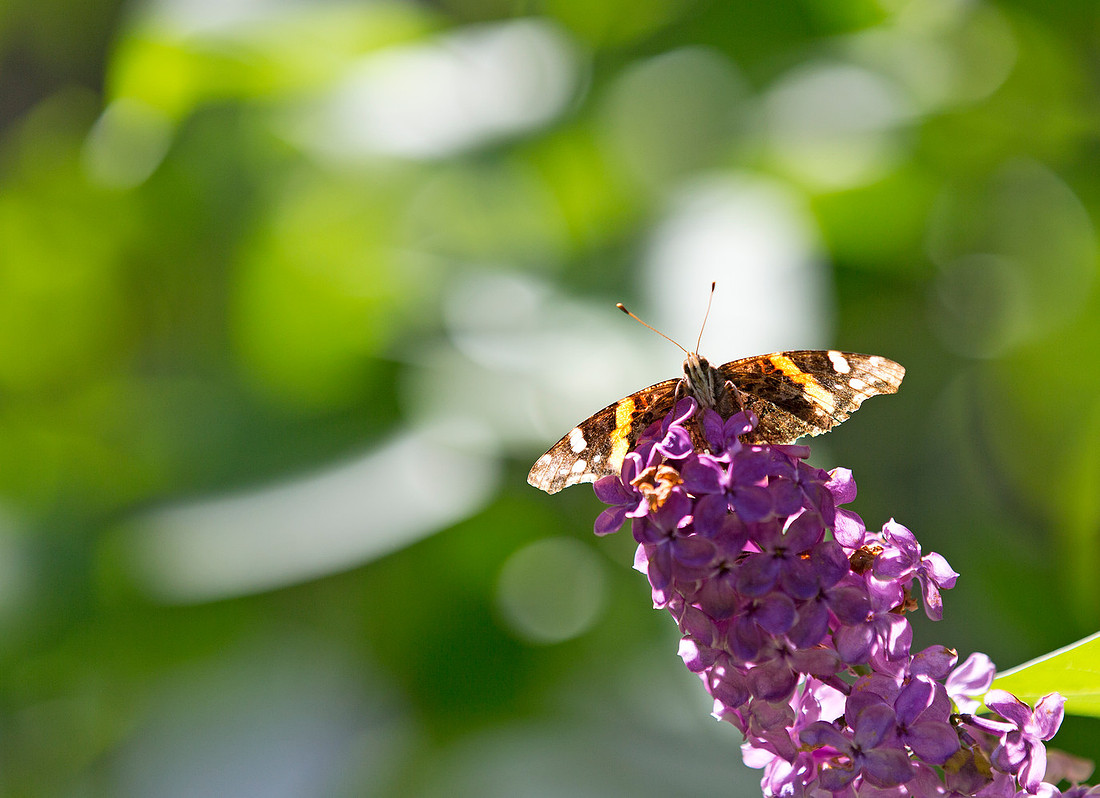
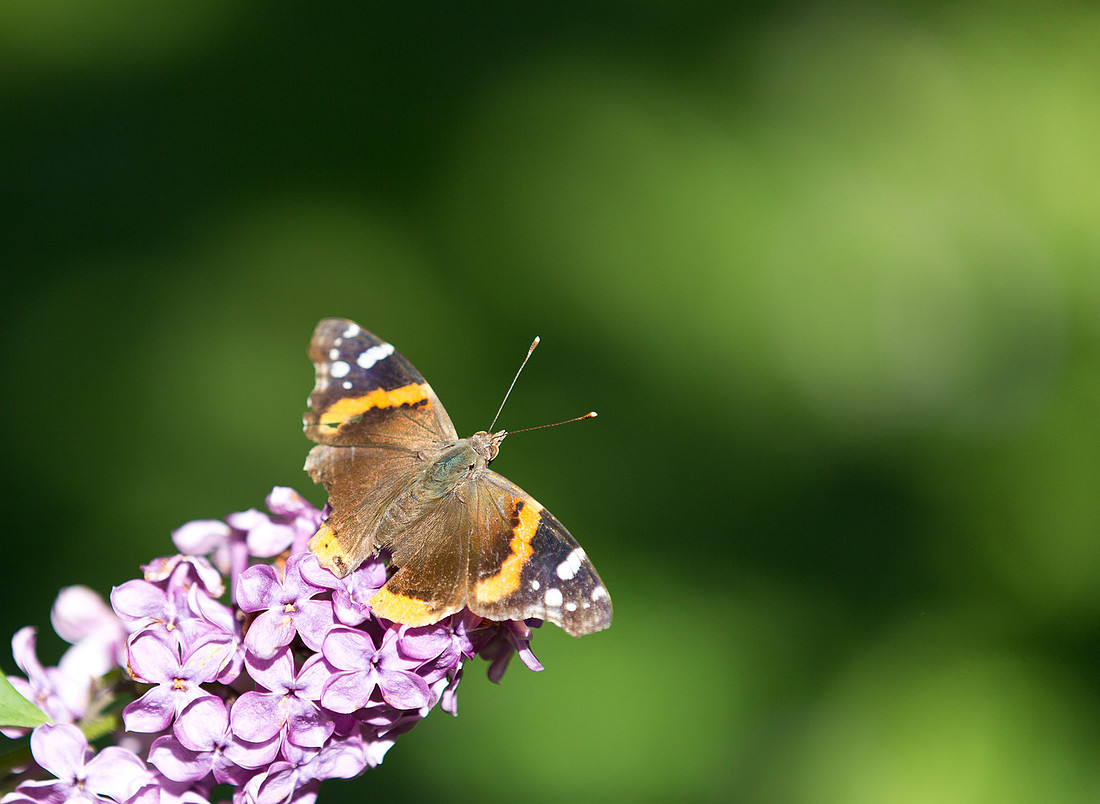
In art and photography, there's a notion of ''negative space''. It's the part of the composition that is empty or void, that is to say the space surrounding the subject or subjects. It could be sky or a background or blank canvas. It defines contours and gives context. And it allows the composition to breathe. In my mind, it's every bit as essential and important a player as the active components in the frame, all the while doing its best to efface itself and conceal its very existence. Completely negative, and at the same time anything but.